


Kategori Produk
Hubungi kami
Lifting Table Cart, Lifting Platform Vehicle Supplier
-
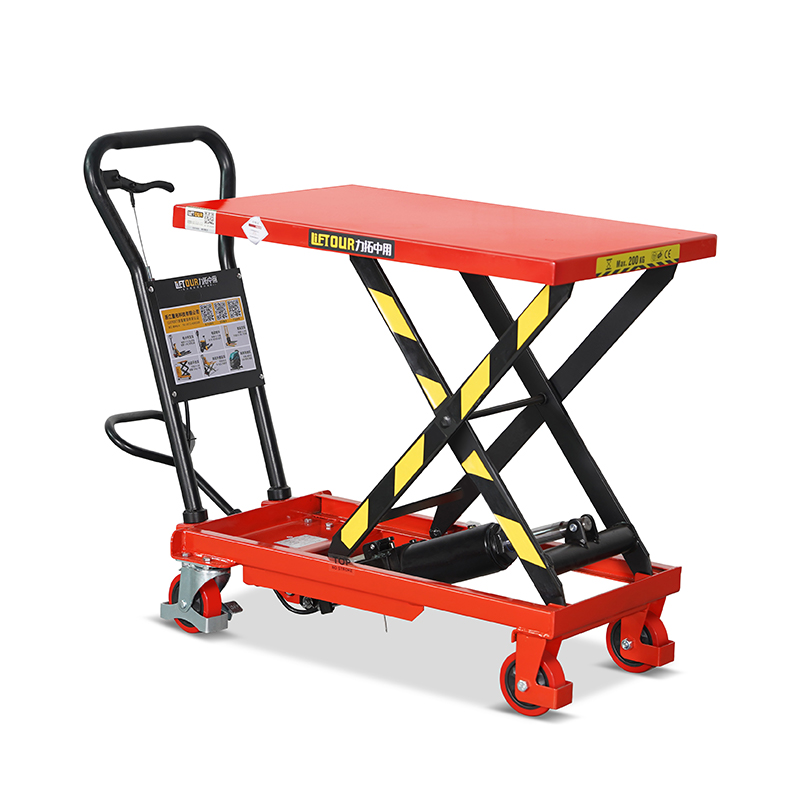
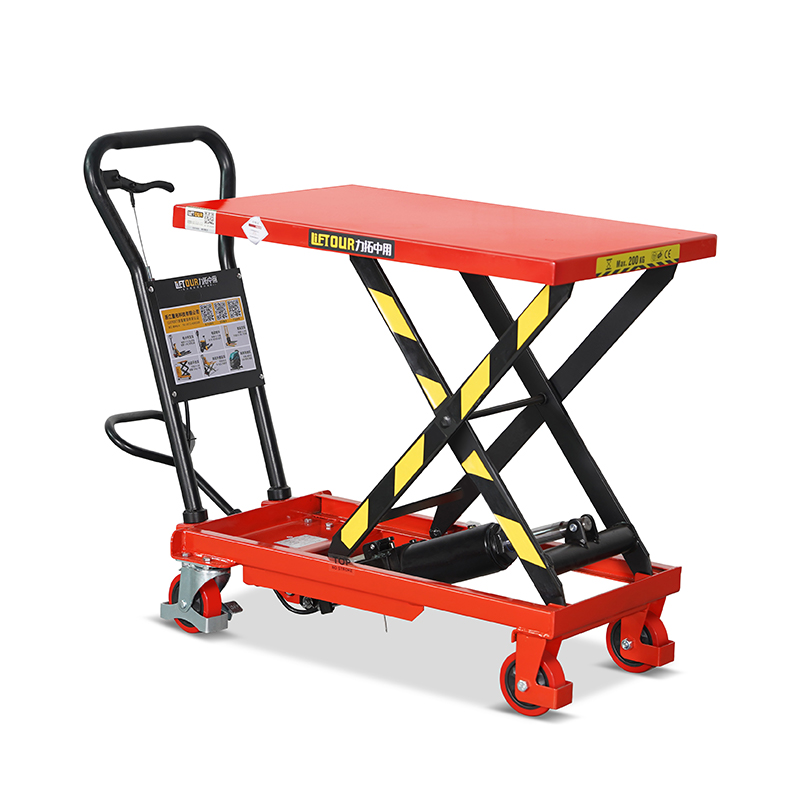
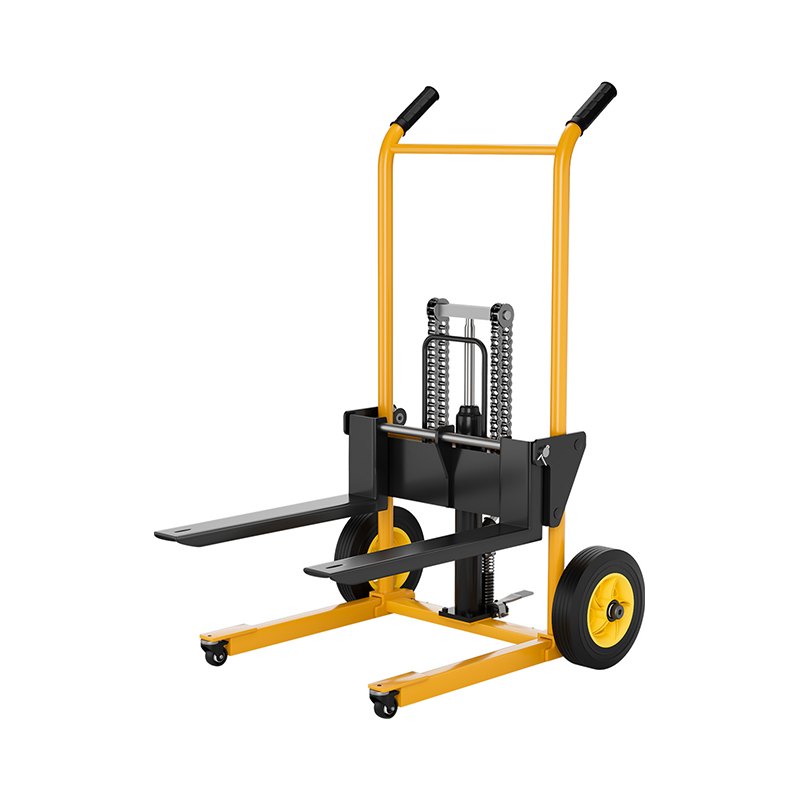
Trak platform angkat manual
*Kapasiti beban 150kg-2000kg pilihan. Ketinggian 0.7 m- 2 m pilihan *Amalkan angkat kendalian kak -
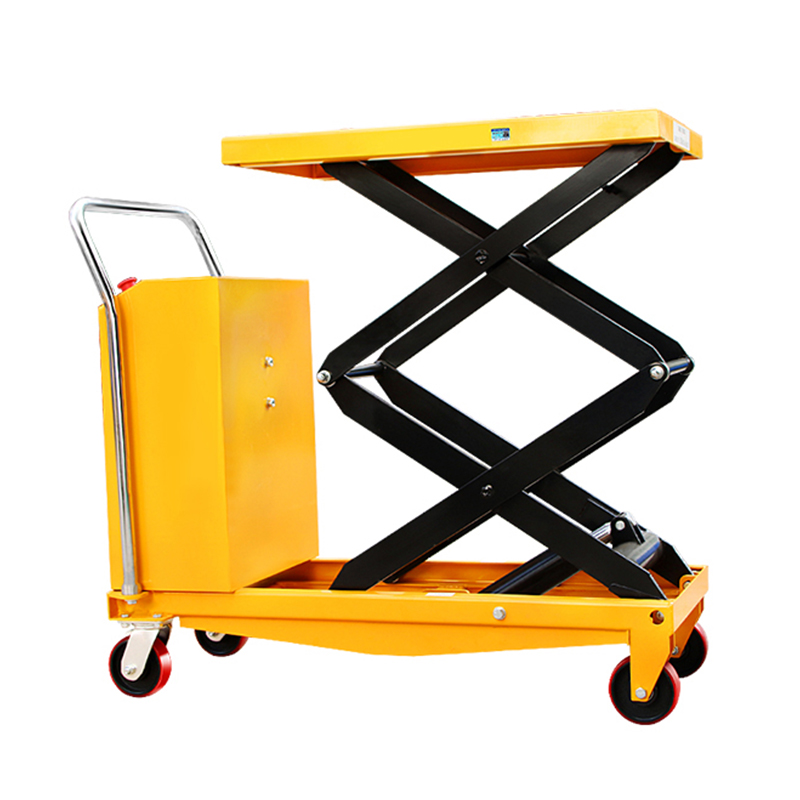
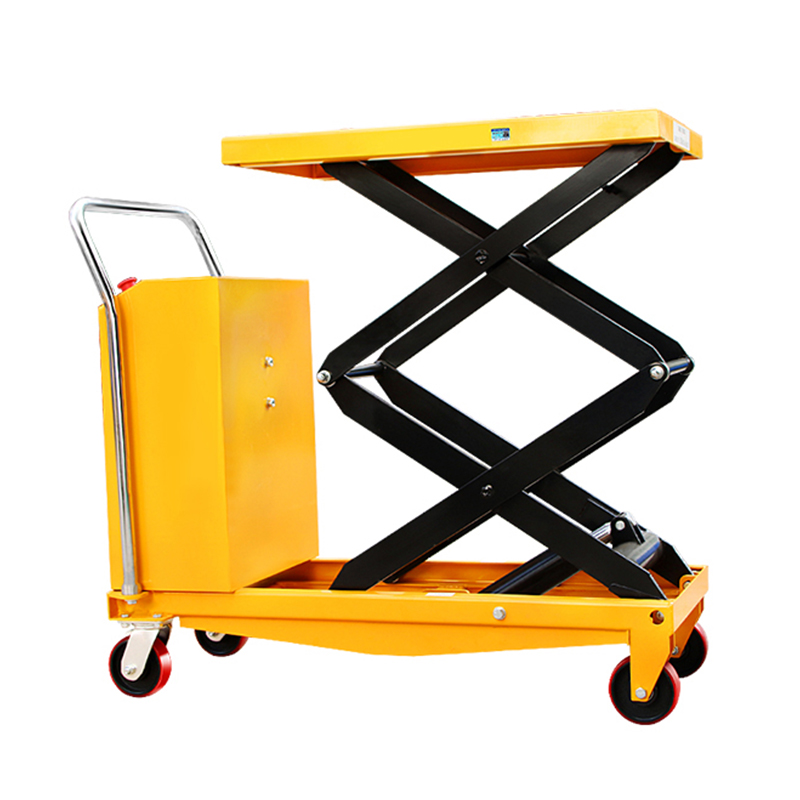
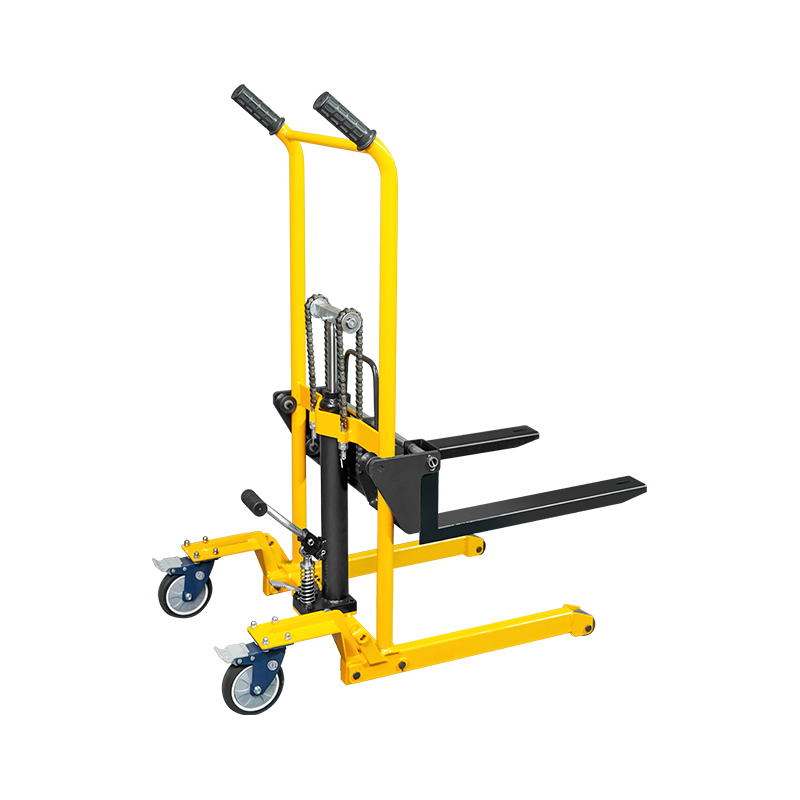
Trak platform lif elektrik
* Mengangkat kawalan elektrik, mengangkat pantas, menjimatkan tenaga kerja dan lebih cekap. *P -
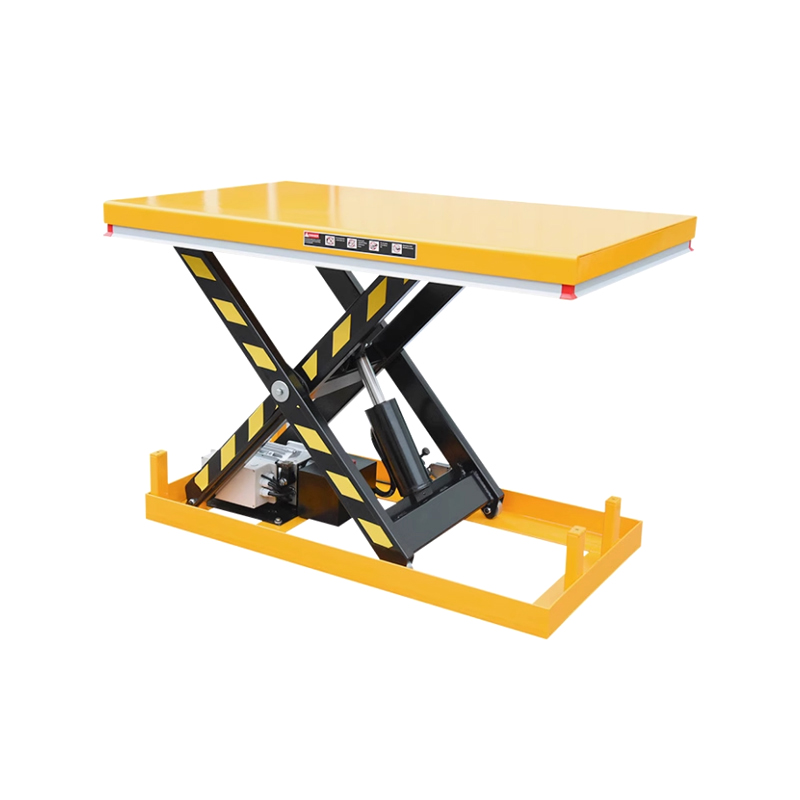
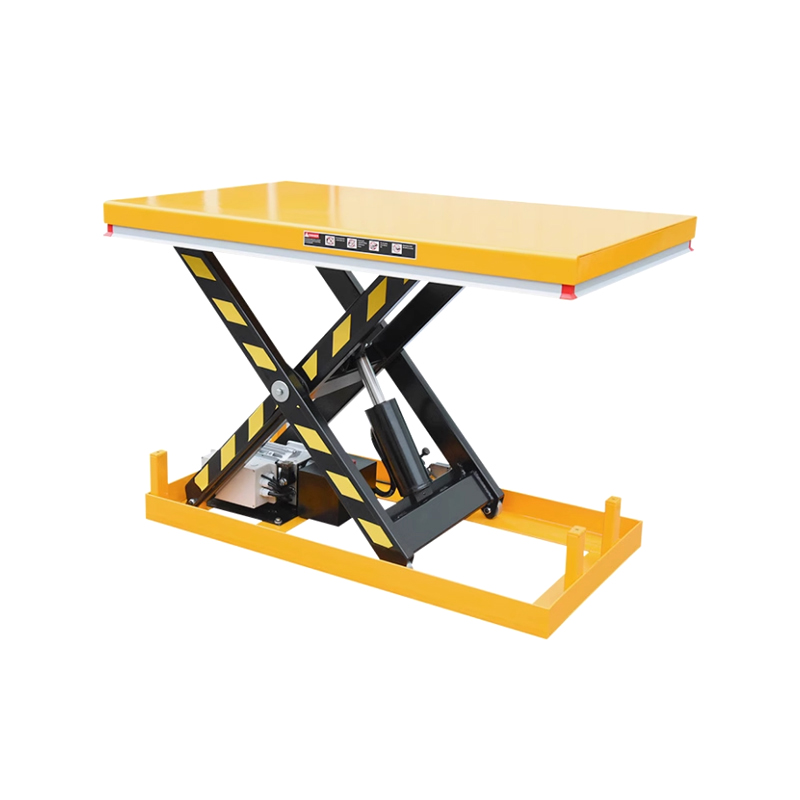
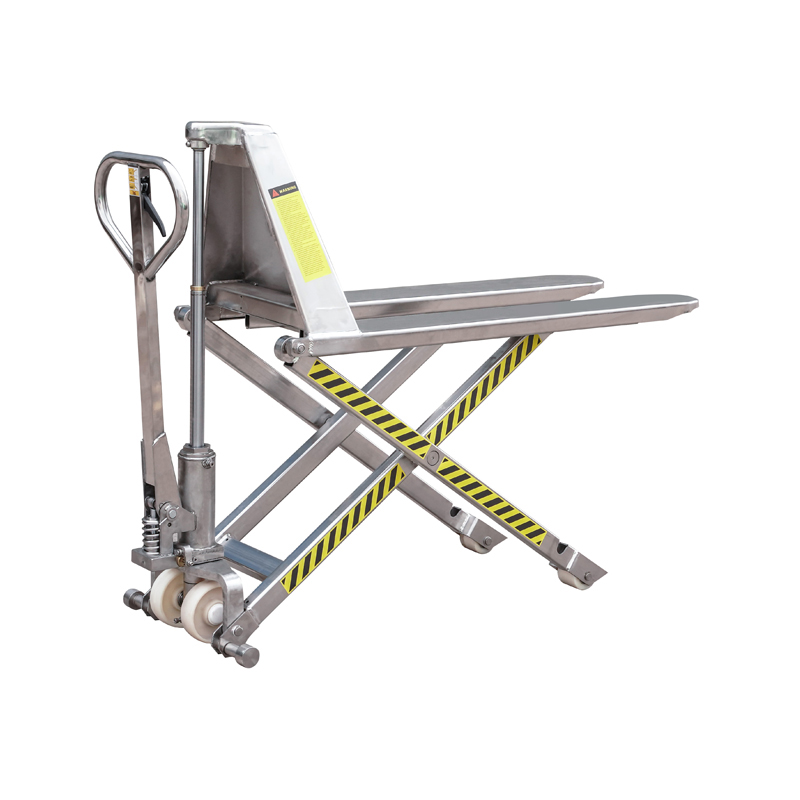
Platform angkat tetap
Ia boleh disesuaikan mengikut keperluan anda, sama ada berat muatan, saiz meja, atau bentuk meja.


Tentang Kami
Hangzhou Viilift Industrial Equipment Co., Ltd.
Sebagai perusahaan berteknologi tinggi dengan pengalaman industri selama 20 tahun, kami pakar dalam
penyelidikan, pembangunan, pengeluaran dan penjualan peralatan pengendalian logistik
and small lifting equipment. We are China Wholesale Lifting Table Cart Supplier and OEM/ODM Lifting Platform Vehicle Factory. With 22 national patents, the company demonstrates
keupayaan inovasi teknikalnya yang kukuh.
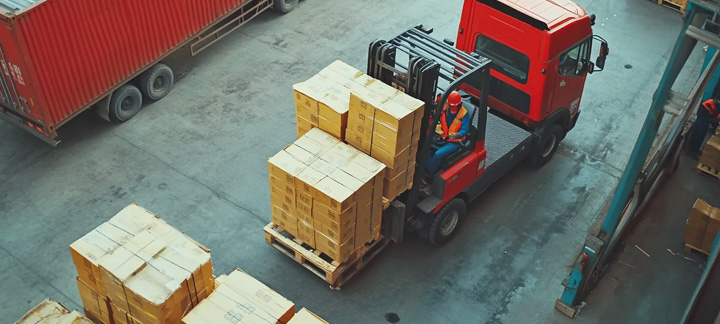
Produk utama kami termasuk robot pengendalian pintar, forklift elektrik, hidraulik manual
trak pengendalian, dan kren ringan, yang digunakan secara meluas dalam industri seperti pembuatan,
logistik pergudangan, e-dagang, automotif dan farmaseutikal untuk membantu perusahaan bertambah baik
kecekapan logistik. Bergantung pada pusat penyelidikan dan pembangunan teknologi peringkat wilayah,
sistem kawalan pintar kami yang dibangunkan secara bebas dan pemacu kecekapan tinggi
teknologi memastikan produk kami cemerlang dalam kecekapan, keselamatan dan penjimatan tenaga.
Perkhidmatan Yang Kami Sediakan
Dengan sistem pengurusan kualiti pengeluaran yang diperakui oleh ISO dan rangkaian perkhidmatan seluruh negara, kami menyediakan pelanggan dengan perkhidmatan yang komprehensif daripada perundingan pra-jualan kepada penyelenggaraan selepas jualan. Setelah mewujudkan perkongsian strategik dengan banyak perusahaan terkenal dan mengeksport produk ke pasaran luar negara, Hangzhou Viilift Industrial Equipment Co., Ltd. komited untuk menjadi perusahaan penanda aras dalam industri peralatan pengendalian logistik.
-

Konsultasi Pra-jualan
Perkhidmatan satu lawan satu, mengesyorkan model mengikut keperluan dan aturkan pengalaman di tapak.
-

Perkhidmatan Penyesuaian
Pasukan teknikal menyesuaikan mengikut keperluan, dan mengekalkan komunikasi sepanjang proses untuk penyesuaian.
-

Penyelenggaraan selepas jualan
Tindak balas rangkaian nasional, balas dalam masa 24 jam, dan lakukan pemeriksaan percuma secara tetap.
-

Latihan Operasi
Gabungkan teori dengan amalan, dan jalankan penilaian untuk memastikan operasi yang selamat dan cekap.
Sijil Kepujian
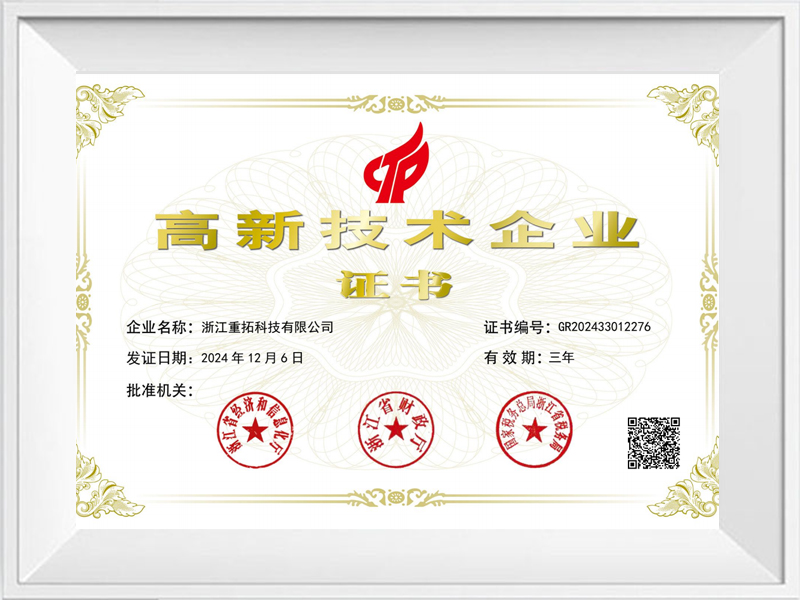
Sijil Perusahaan berteknologi tinggi
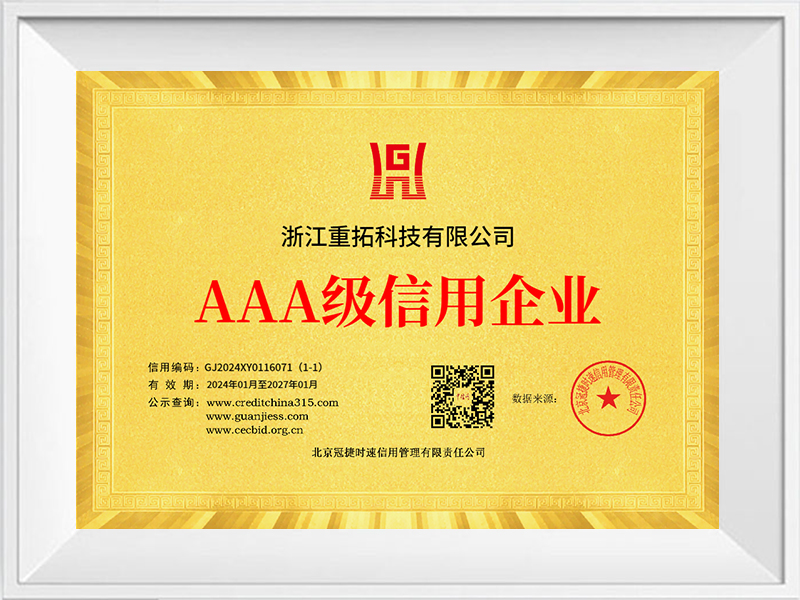
Perusahaan kredit bertaraf AAA
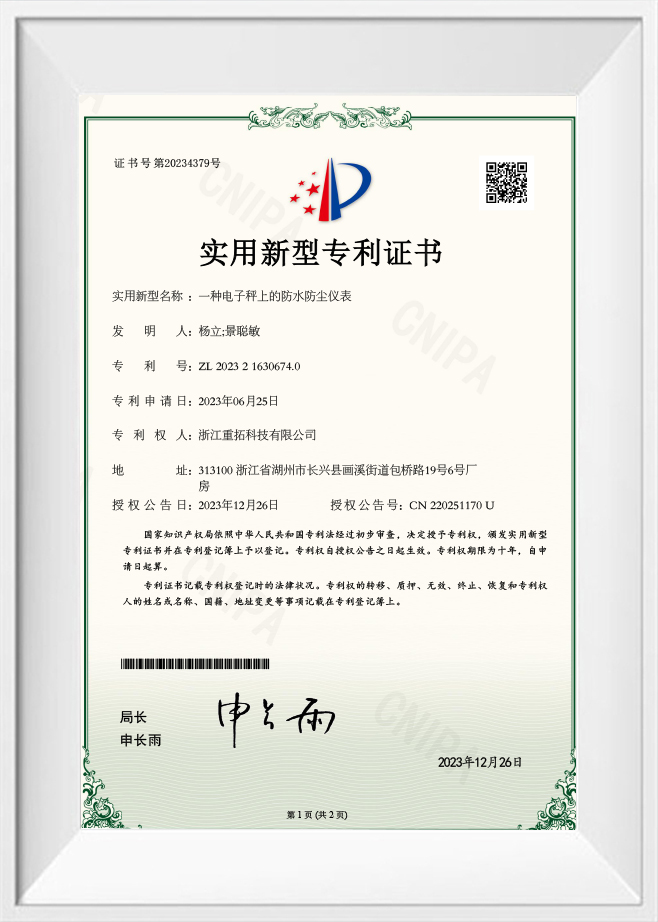
Sijil Paten Praktikal
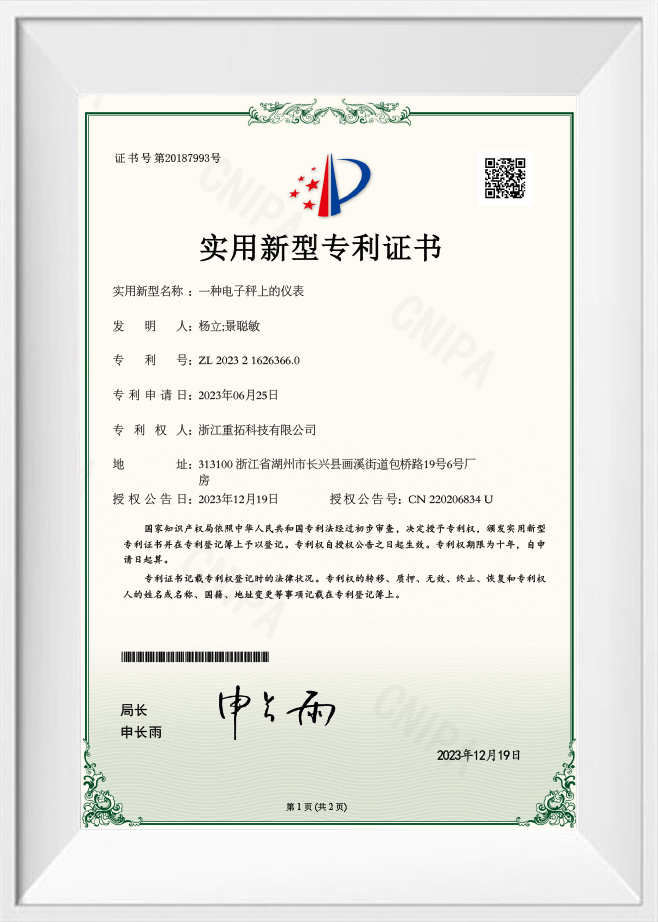
Sijil Paten Praktikal
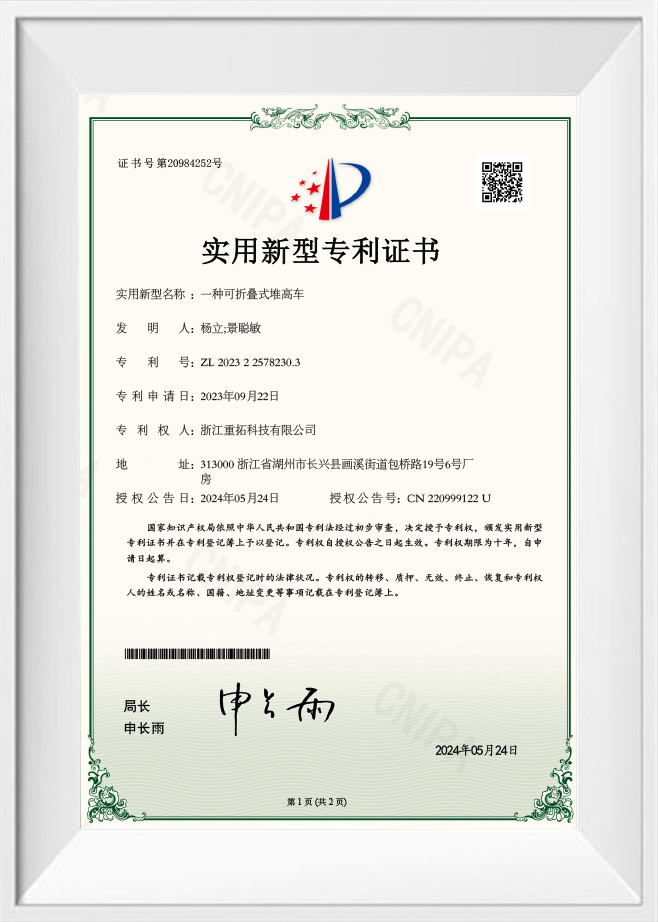
Sijil Paten Praktikal
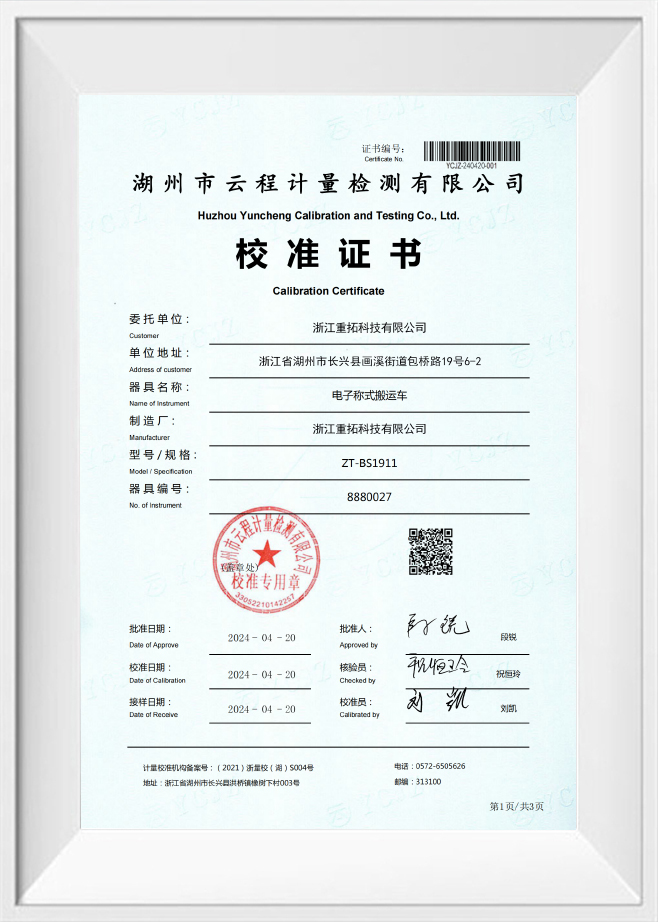
Sijil Penentukuran Forklift Jenis Skala Elektronik
Berita
-
Memindahkan bekas 150 kg yang sama dari palet ke meja kerja tiga puluh kali syif berhenti menjadi masalah kekuatan dan menjadi masalah pengulangan: terikan belakang, masa kitaran hanyut, dan satu lif yang cuai meletakkan beban, atau pengendali, pada risiko. Trak platform lif elektrik menangani perkara ini secara ...
Read More -
Nilai Strategik Sistem Penimbang Bersepadu The lori palet timbangan mewakili evolusi kritikal dalam pengendalian bahan, secara asasnya mengubah logistik dengan menghapuskan langkah berlebihan mengangkut barangan ke skala lantai yang berasingan. Dengan menyepadukan mekanisme penimbang terus ke dal...
Read More -
The penyusun palet elektrik adalah pelaburan unggul untuk pengendalian bahan moden , menawarkan pulangan pelaburan yang ketara melalui peningkatan produktiviti dan mengurangkan keletihan operasi. Tidak seperti alternatif manual, yang bergantung sepenuhnya pada usaha fizikal, model elektrik ...
Read More
Mengangkat kenderaan platform Industry knowledge
Optimizing Material Handling: A Comprehensive Guide to Lifting Table Carts and Platform Vehicles
In the fast-paced world of modern logistics and manufacturing, the efficiency of vertical and horizontal material transport is paramount. As industries strive to minimize workplace injuries and maximize throughput, the demand for specialized handling equipment has surged. Among the most versatile solutions available today are the Lifting Table Cart and Lifting Platform Vehicle, which serve as the backbone for safe and efficient ergonomic handling in diverse operational environments.
The Critical Role of Ergonomic Handling Equipment
Workplace safety and operational efficiency are inextricably linked. Manual handling of heavy loads often leads to musculoskeletal disorders, resulting in downtime and increased operational costs. Integrating a Lifting Table Cart into daily operations addresses these challenges by bridging the gap between floor-level storage and ergonomic working heights. This not only protects the workforce but also streamlines production lines by reducing the time spent on manual lifting and positioning.
- Reduction of worker fatigue and injury risks associated with repetitive bending and lifting.
- Enhancement of operational precision during assembly and loading processes.
- Compliance with strict occupational health and safety regulations.
- Adaptability to various floor conditions and workspace configurations.
Understanding the Mechanics and Applications
Versatility of the Lifting Table Cart
A Lifting Table Cart is essentially a mobile scissor lift platform designed to transport, lift, and position materials. These units are indispensable in environments where loads need to be moved horizontally and then raised to a specific height for processing. Unlike static lift tables, these carts combine mobility with vertical lift capability, making them ideal for assembly lines, maintenance workshops, and warehouse picking stations.
- Mobility: Equipped with polyurethane or nylon wheels, often with a steering handle for easy maneuverability in tight spaces.
- Power Options: Available in manual hydraulic, DC battery-powered, or AC-powered configurations to suit different usage intensities.
- Capacity: Ranges from light-duty capacities for small components to heavy-duty variants for industrial dies and molds.
Industrial Utility of the Lifting Platform Vehicle
While similar to the cart, a Lifting Platform Vehicle often implies a more robust construction designed for heavier cycles and specific industrial tasks. These vehicles are frequently used in high-bay warehousing, automotive assembly, and logistics centers where stability and lifting height are critical. They act as mobile workstations, allowing operators to elevate not just materials but sometimes personnel (when specifically rated) to required access points.
- High lifting strokes often exceeding standard table heights.
- Reinforced steel structures for demanding industrial durability.
- Integration with conveyor systems for automated loading and unloading.
Selecting the Right Equipment: A Comparative Analysis
Choosing between different lifting solutions requires a thorough understanding of operational requirements. Factors such as load capacity, lift height, frequency of use, and the nature of the terrain play pivotal roles in the decision-making process. Below is a comparison to help identify the distinct features and optimal use cases for these two core solutions.
| Feature | Lifting Table Cart | Lifting Platform Vehicle |
| Primary Function | Transport and precise positioning of goods at ergonomic heights. | Heavy-duty lifting and vertical transfer in fixed or semi-fixed paths. |
| Mobility | High; designed for frequent movement between workstations. | Medium to High; often larger, designed for stable lifting operations. |
| Lifting Mechanism | Typically foot-operated hydraulic or electric actuator. | Heavy-duty hydraulic power unit for faster cycle times. |
| Ideal Environment | Assembly lines, light warehousing, maintenance depots. | |
| Load Handling | Optimized for crates, boxes, and tools. | Capable of handling pallets, heavy machinery parts, and bulk containers. |
Key Technical Considerations for Procurement
When investing in material handling equipment, total cost of ownership and safety features should be prioritized over the initial purchase price. A high-quality Lifting Table Cart should feature a reliable safety velocity fuse to prevent sudden descent in case of hydraulic failure. Similarly, a robust Lifting Platform Vehicle should include limit switches and emergency stop buttons to ensure operator safety during high-stakes operations.
- Structural Integrity: Look for units manufactured with high-strength steel and reinforced scissor arms to prevent deflection under load.
- Power Efficiency: Modern units often integrate intelligent control systems that optimize battery life and energy consumption.
- Maintenance Accessibility: Ensure that the hydraulic system and moving parts are easily accessible for greasing and inspection to prolong equipment lifespan.
FAQ
What is the difference between a lifting table cart and a standard forklift?
While both handle materials, a Lifting Table Cart is primarily designed for ergonomic positioning and short-distance transport at ground level, making it ideal for "man-up" operations where items are lifted to a worker's comfortable height. A forklift is designed for stacking pallets at high vertical heights and transporting loads over longer distances. The lifting cart offers better maneuverability in tight spaces and is generally safer for close-quarter handling tasks.
How do I maintain a lifting platform vehicle to ensure longevity?
Proper maintenance of a Lifting Platform Vehicle involves regular checks of the hydraulic oil level and quality to ensure smooth lifting action. Operators should inspect the rollers and pivot points for wear and lubrication needs monthly. Additionally, checking the electrical connections and battery health (for electric models) is crucial. Adhering to a preventative maintenance schedule significantly reduces downtime and repair costs.
Can a lifting table cart be used on uneven surfaces?
Generally, a Lifting Table Cart performs best on flat, smooth concrete surfaces to ensure stability during lifting. However, some heavy-duty models come equipped with leveling jacks or adjustable legs to accommodate minor surface irregularities. It is critical to never operate the lift function on a steep incline, as this can compromise the center of gravity and lead to tipping.
What safety features should I look for in a lifting platform vehicle?
Safety is paramount when operating a Lifting Platform Vehicle. Essential features include an emergency lowering valve that allows the platform to be lowered manually in case of power failure, safety bars or chains at the entry point, and overload protection valves that prevent the lift from operating if the weight exceeds the rated capacity. Advanced models may also include proximity sensors and audible alarms for operation in busy environments.

Perlukan Penyelesaian Tersuai? Hubungi kami-kami sedia membantu.
Hubungi Kami
Pautan Pantas
kategori
Hubungi AS
-
 +86-18967188155
-
 [email protected]
-
 Bangunan B, No. 776, Jalan Jianshe, Zon Pembangunan Ekonomi dan Teknologi, Daerah Xiaoshan, Bandar Hangzhou, Wilayah Zhejiang. China.
Mudah alih


Hangzhou Viilift Industrial Equipment Co., Ltd.All rights reserved.
Wholesale Lifting Table Cart Supplier
